


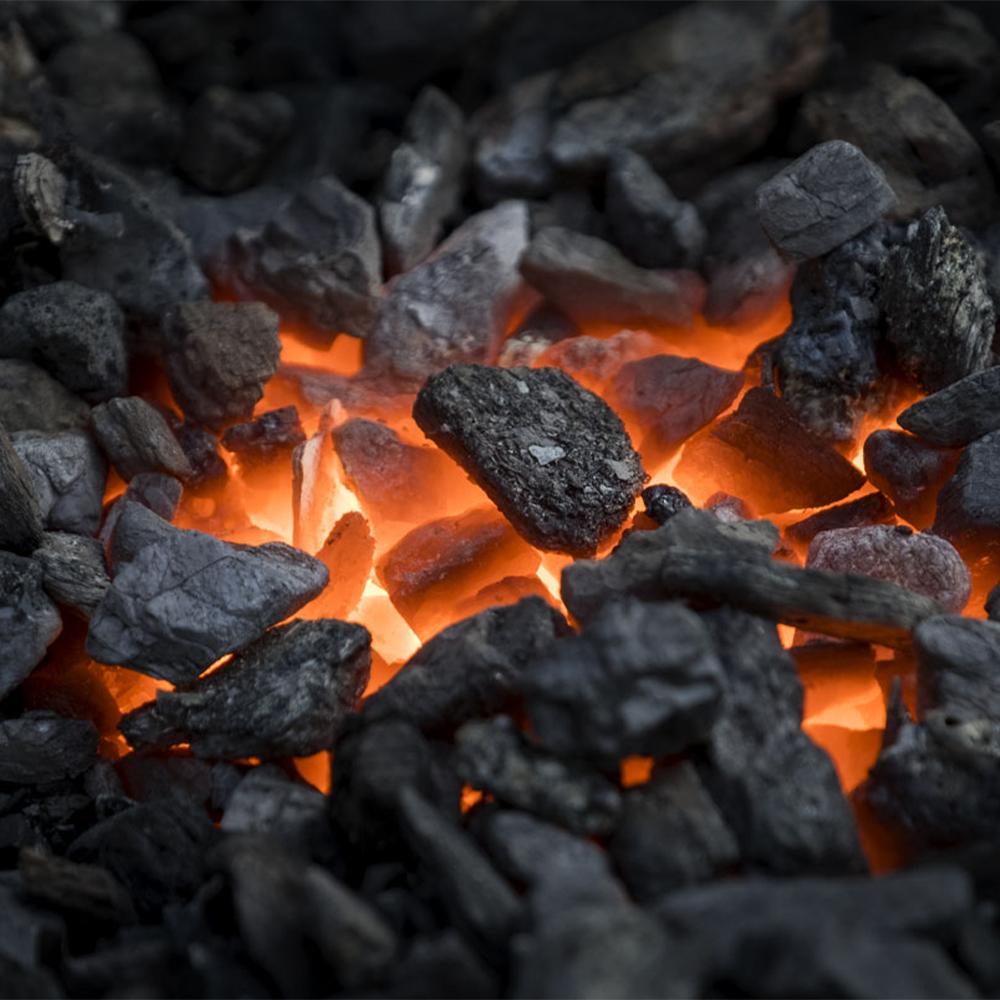

Definition: Coal is a fossil fuel formed from the remains of plants that lived and died in swampy environments millions of years ago. Over time, the plant material was buried, compacted, and subjected to high temperatures and pressures, leading to the formation of coal deposits.
Uses:
Electricity Generation: Coal is the largest source of electricity generation worldwide. It is burned in power plants to produce steam, which drives turbines connected to generators. The electricity generated from coal-fired power plants supplies energy to homes, businesses, industries, and public infrastructure.
Heat Generation: Coal is used as a fuel for heating residential, commercial, and industrial buildings. It is burned in furnaces, boilers, and stoves to provide warmth and heat water for space heating, hot water supply, and industrial processes.
Steel Production: Coal is used as a key ingredient in the production of steel through the process of coking. Metallurgical coal, also known as coking coal, is heated in the absence of air to produce coke, a porous carbon-rich material used as a reducing agent in the blast furnace to extract iron from iron ore.
Industrial Processes: Coal is used as a fuel and a reducing agent in various industrial processes, including cement manufacturing, brickmaking, paper production, chemical synthesis, and food processing. It provides heat and energy for carrying out these processes efficiently.
Transportation: Historically, coal was used as a fuel for steam locomotives and ships. While its use in transportation has declined significantly with the advent of diesel and electric propulsion, coal is still used in some steam-powered tourist trains and heritage ships.
Carbon Products: Coal is processed to produce various carbon-based products such as activated carbon, carbon black, and graphite. These products have applications in water purification, air filtration, battery electrodes, lubricants, and refractory materials.
Chemical Feedstock: Coal tar and coal gas are byproducts of coal processing that serve as feedstocks for the production of various chemicals and materials. Coal tar is used in the manufacture of dyes, paints, roofing materials, and asphalt. Coal gas is used as a fuel and a source of chemical compounds such as hydrogen, methane, and carbon monoxide.
Domestic Use: In some regions, particularly in developing countries, coal is still used for cooking and heating in households that lack access to cleaner energy sources. However, this practice contributes to indoor air pollution and respiratory health problems.
Overall, coal plays a significant role in global energy production and industrial processes, despite increasing concerns about its environmental impact, air pollution, and contribution to climate change. Efforts are being made to develop cleaner and more sustainable alternatives to coal and reduce its environmental footprint through technologies such as carbon capture and storage (CCS) and transitioning to renewable energy sources.
Reviews
No reviews have been posted yet.