


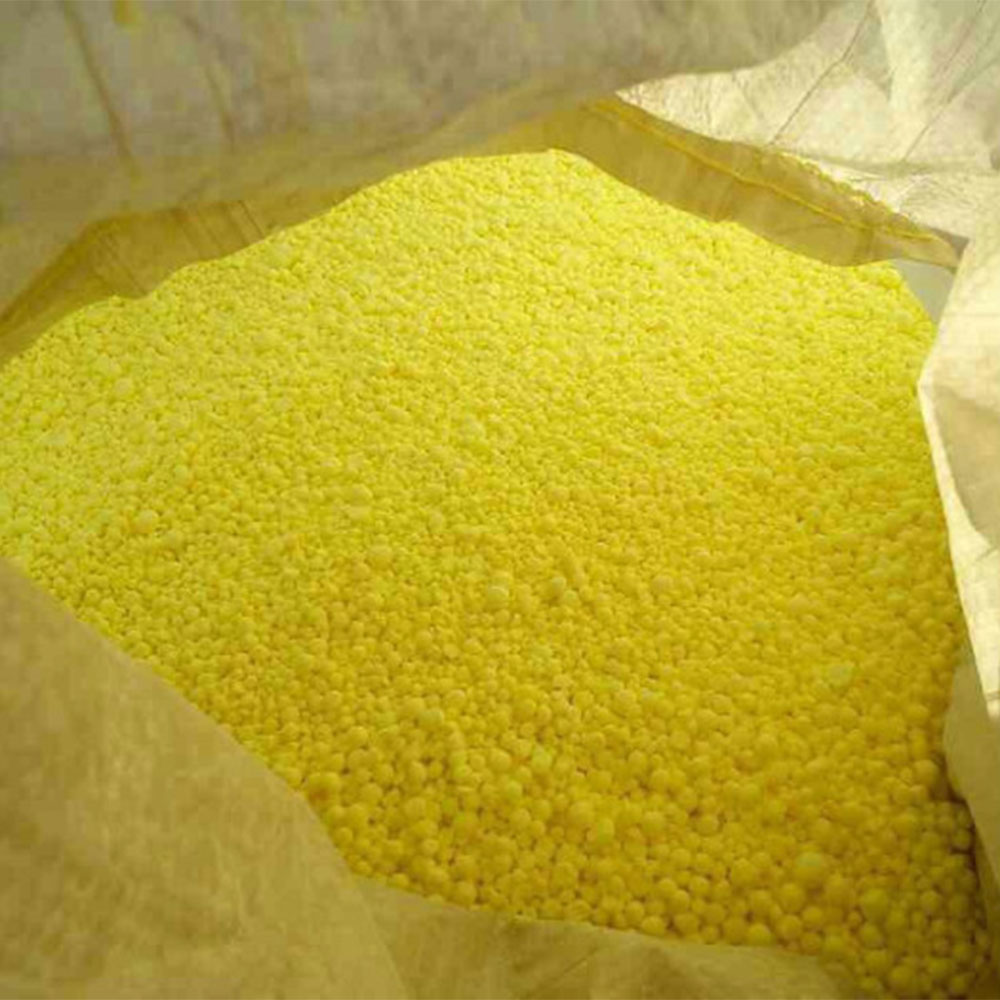

Definition
Sulfur is an abundant, multivalent, nonmetal chemical element represented by the symbol S and atomic number 16. In its natural state, it is found as bright yellow, brittle crystals near hot springs, volcanic regions, and underground deposits. Today, the majority of the world’s sulfur is obtained as a byproduct of refining crude oil and natural gas to remove impurities.
Uses
Sulfuric Acid Production
The largest and most important use of sulfur is its conversion into sulfuric acid (H2 SO4). Sulfuric acid is the most widely used industrial chemical in the world, playing a vital role in producing fertilizers, refining metals, processing mineral ores, manufacturing car batteries, and driving petrochemical processes.
Agriculture and Fertilizer Production
Sulfur is an essential nutrient required for plant growth. A major portion of the world’s sulfur is used to produce chemical fertilizers, such as superphosphates and ammonium sulfate. It is also used directly as a fungicide, pesticide, and soil conditioner to adjust the acidity (pH) of alkaline soils.
Rubber Vulcanization
In the rubber industry, sulfur is the primary agent used in the vulcanization (curing) process. Adding sulfur to raw rubber and heating it creates cross-links between polymer chains. This process significantly increases the hardness, elasticity, durability, and resistance of rubber to heat and wear, which is crucial for manufacturing vehicle tires.
Pharmaceuticals and Healthcare
Due to its antibacterial, antifungal, and antiseptic properties, sulfur has a long history in medicine. It is used in ointments, soaps, and therapeutic lotions to treat skin conditions like acne, eczema, and scabies. Additionally, sulfur compounds are used in synthesizing key antibiotics, such as penicillin and sulfonamides.
Paper and Pulp Production
In the paper industry, sulfur compounds (such as sulfites and sulfur dioxide) are used to break down the lignin structure in wood, converting it into high-quality white pulp. This process helps soften and separate the cellulose fibers efficiently.
Explosives and Fireworks
Because of its low combustion temperature and reducing properties, sulfur is one of the three main ingredients in black powder (along with charcoal and potassium nitrate). Today, it is still used in manufacturing matches, detonators, and fireworks to produce flame and light.
Chemical Industry and Detergents
Sulfur serves as a raw material in synthesizing a wide range of chemicals, pigments, synthetic fibers (like nylon), and detergents—especially sulfated surfactants found in shampoos and household cleaning liquids.
Summary
Overall, sulfur plays an undeniable and strategic role in industrial development, global food security, and public health. However, the emission of sulfur gases, such as sulfur dioxide (SO2) from burning impure fossil fuels, is a major cause of air pollution and acid rain. Consequently, modern industries focus heavily on desulfurization processes to protect the environment while meeting the market’s growing demand for this valuable element.
Reviews
No reviews have been posted yet.