


Definition
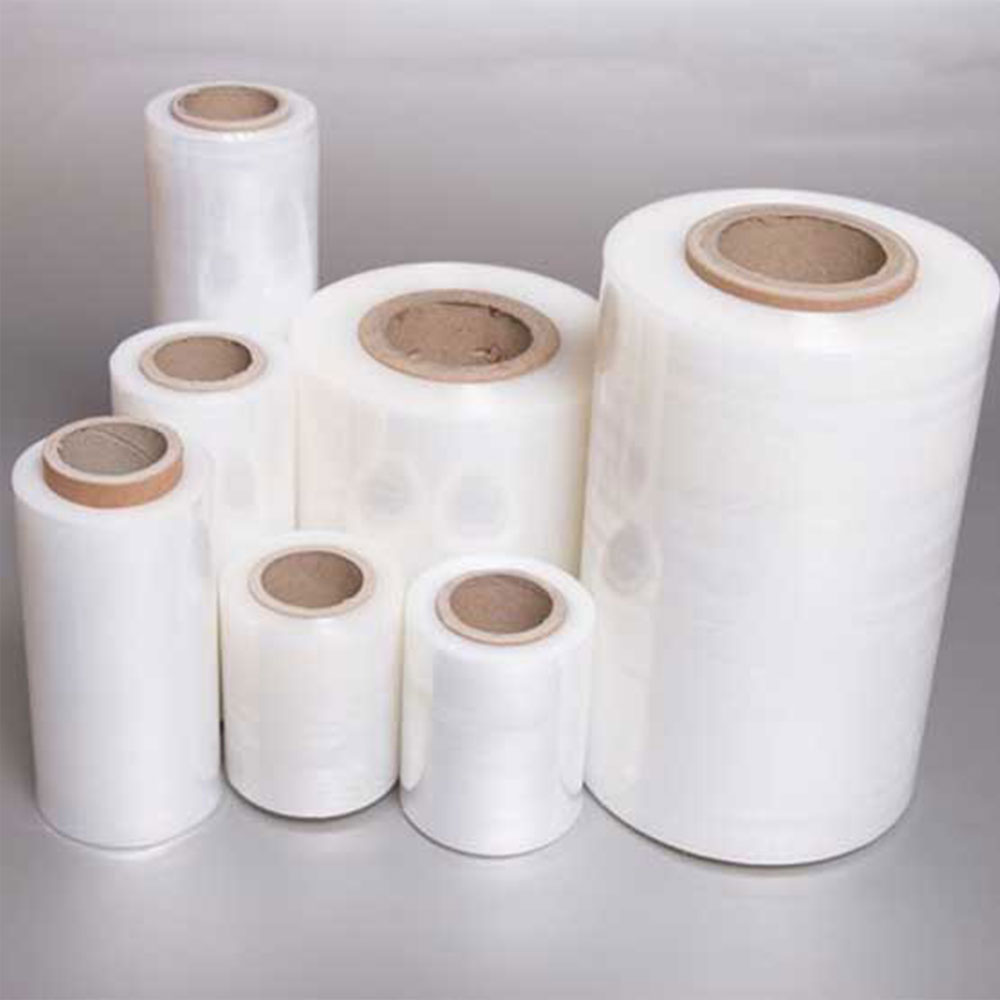
Stretch film (commonly known as stretch wrap) is a highly elastic, stretchable plastic film typically made from linear low-density polyethylene (LLDPE). When wrapped tightly around items, its elastic recovery properties keep the items closely and securely bound. Unlike shrink wrap, which requires heat to shrink around a product, stretch film is applied under tension, allowing it to cling firmly to itself without adhesives. It is the primary packaging medium used globally to unitize, stabilize, and protect goods on pallets during transit and storage.
Uses
Pallet Unitization and Load Stabilization
The largest and most important use of stretch film is securing individual boxes, drums, or products onto a pallet for shipping. When wrapped under high tension, the film’s elastic memory acts like a continuous rubber band, binding the items into a single, cohesive unit. This prevents shifting, sliding, and damage during transport, making handling by forklifts and transport vehicles significantly safer and more efficient.
Dust, Dirt, and Moisture Protection
Stretch film provides a protective barrier that shields packed goods from environmental hazards. Wrapping products tightly prevents dust, dirt, soot, and moisture from penetrating the boxes or the products themselves. This is particularly crucial for keeping food products, pharmaceuticals, electronics, and textiles pristine and uncontaminated during long-haul shipping or open-yard storage.
Theft and Pilferage Deterrence
Using stretch film—especially opaque, colored, or black film—makes it highly difficult to tamper with or steal items from a pallet unnoticed. Because a thief would have to cut through multiple layers of tightly bound film to remove a single item, stretch wrapping acts as a major visual deterrent. Once the film is cut or compromised, it is immediately obvious to receiving managers that the shipment has been tampered with.
Bundling Smaller Products
Beyond large pallet loads, smaller-width stretch films (often called bundling film or hand wrap) are widely used to bind small, long, or irregular items together. This includes bundling metal pipes, timber planks, carpet rolls, electrical cables, or small retail packages. It serves as an easy, residue-free alternative to adhesive tapes, ropes, or plastic strapping.
Warehouse Inventory Management and Color Coding
Colored stretch films (such as red, blue, green, or yellow) are heavily utilized in warehouse logistics for color-coding and identifying shipments. This allows operators to quickly categorize inventory visually by destination, date, batch, or priority. Color coding reduces shipping errors, simplifies stock rotation (such as FIFO), and assists in rapid sorting without reading individual barcode labels.
Protection from UV Light and Sun Damage
Specialized stretch films are manufactured with ultraviolet (UV) inhibitors. These films are used to wrap pallets that are destined for outdoor storage or long-term exposure to direct sunlight. The UV-inhibiting additives prevent the plastic from degrading, cracking, and losing its strength under solar radiation, while also shielding the underlying products from sun damage and color fading.
Recyclability and Sustainable Packaging
Due to being made primarily from LLDPE, clean stretch film is highly recyclable. In industrial and logistics settings, large volumes of used stretch film are gathered, baled, and sent to recycling plants to be reprocessed into plastic resins. These recycled resins are then used to manufacture new plastic bags, composite lumber, or even new layers of post-consumer recycled (PCR) stretch wrap.
Summary
Overall, stretch film plays an undeniable and strategic role in global logistics, supply chain efficiency, and product preservation. However, its widespread, single-use nature raises significant environmental concerns regarding plastic waste and landfill accumulation. Consequently, modern packaging industries focus heavily on developing ultra-thin, high-performance films to reduce plastic usage per pallet, alongside innovating with biodegradable additives and post-consumer recycled (PCR) materials to reduce the overall environmental footprint.
Reviews
No reviews have been posted yet.