


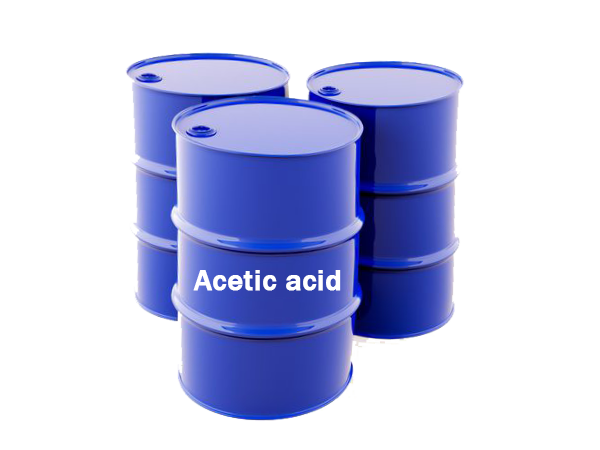

Here is the text adapted for Acetic Acid (CH3 COOH), structured and written in the exact style of your nitric acid example:
Vinegar Production: Acetic acid is primarily used in the food industry for the manufacture of vinegar, where it acts as the key souring and flavoring agent. Diluted acetic acid (typically 4% to 8% by volume) provides the characteristic pungent smell and tangy taste essential for pickling vegetables, seasoning salads, and preserving various food products.
Vinyl Acetate Monomer (VAM) Manufacturing: Acetic acid is a critical ingredient in the plastics and adhesives industries for manufacturing Vinyl Acetate Monomer. Through catalytic reaction, it is used to produce polymers and copolymers like polyvinyl acetate (PVA), which are vital for formulating industrial glues, wood adhesives, paper coatings, and water-based paints.
Solvent and Purified Terephthalic Acid (PTA) Production: In the petrochemical industry, acetic acid is used as a powerful solvent, particularly in the production of Purified Terephthalic Acid (PTA). PTA is a crucial raw material used in the manufacturing of polyethylene terephthalate (PET), the dominant plastic resin used for making beverage bottles and polyester synthetic fibers.
Ester Production: Acetic acid is widely utilized as a chemical reactant in the production of various acetate esters, such as ethyl acetate, butyl acetate, and propyl acetate. These volatile organic compounds are highly effective solvents commonly used in quick-drying inks, nail polish removers, wood lacquers, and industrial coatings.
Chemical Intermediate: Acetic acid serves as a vital precursor in the synthesis of various industrial chemicals. It is heavily consumed in the production of acetic anhydride, which is subsequently processed to make cellulose acetate (used for photographic films and synthetic textiles) and aspirin (acetylsalicylic acid) in the pharmaceutical sector.
Laboratory Reagent: In analytical chemistry, acetic acid is widely used as a high-purity laboratory solvent and buffer component. It is highly valued for performing non-aqueous titrations and serves as a key reagent in histology to preserve biological tissue samples and visualize cell nuclei under microscopes.
Cleaning and Descaling Agent: In both commercial laundry and household cleaning applications, acetic acid is utilized as an environmentally friendly descaling agent. Its acidic properties make it exceptionally effective at dissolving mineral deposits, hard water scale, and rust from household appliances, plumbing fixtures, and industrial boiler pipes.
Textile Dyeing and Treatment: Acetic acid is used in the textile industry as a pH regulator and neutralizing agent during the dyeing process. When applied to fibers, it helps control the acidity of the dye bath to ensure uniform color absorption, prevent bleeding, and neutralize alkaline residues left behind after scouring.
Pharmaceutical and Medical Use: Acetic acid is used as an active ingredient in the medical field, particularly in ear drops to treat outer ear canal infections (otitis externa) by inhibiting bacterial and fungal growth. Additionally, dilute acetic acid is used during clinical screenings, such as colposcopies, to help identify abnormal cervical tissue.
Reviews
No reviews have been posted yet.